
Principle 2 of 6
Six methods, but not all at once
The point isn’t to use every one of them.Pick the system that fixes your biggest problem right now, test it, and keep what works.
What’s getting in your way right now?
Or pick your name in the “Who are you?” menu, top right, for a suggestion that fits your work.
Our pick, not from the graphic
Pomodoro
Start with 25 minutes, not a whole day.The break comes anyway, so you have a place to stop.
Jump to PomodoroSuggestion
The work, as we see it
Time Blocking
How to apply it
What to watch for
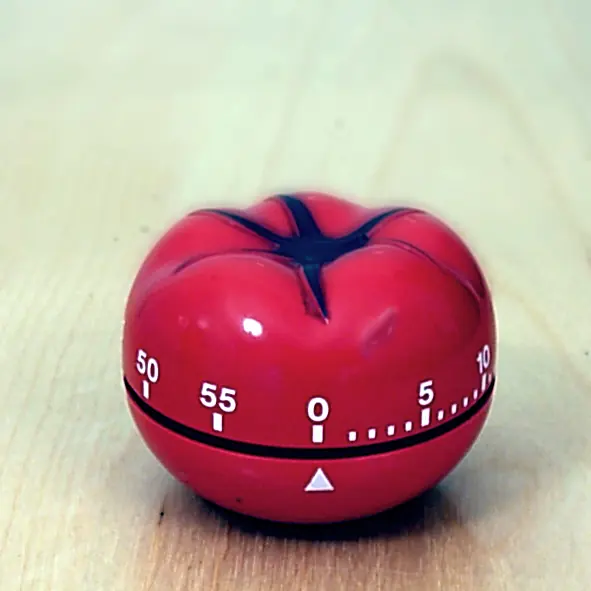
Pomodoro Technique
Work in timed intervals
A timer decides when you work and stop.After four intervals, you take a longer break.
- List your tasks.
- Set a 25-min timer.
- Focus and work.
- Take a 5-min break.
- Repeat 4 times, then break for longer.
Simulated time:1 minute = 0.1 seconds
Task list
Pomodoro 1 of 4 · ready to startleft out of 25 minutes
Illustrative model.The graphic doesn’t say how long the longer break lasts, so it has no minutes here.
3/3/3 Method
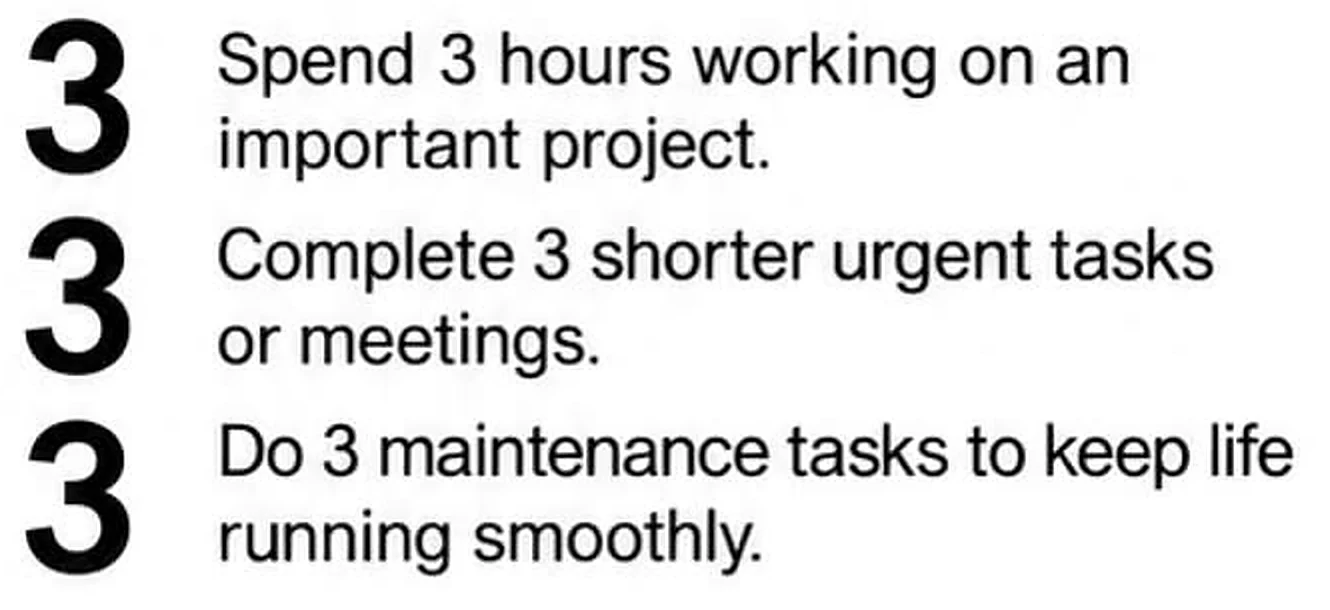
Your day in three parts
Spend 3 hours working on an important project.Complete 3 shorter urgent tasks or meetings.Do 3 maintenance tasks to keep life running smoothly.
An important project
The examples are ours, not from the graphic.Not to scale: the graphic gives no durations for the smaller tasks.
Eisenhower Matrix
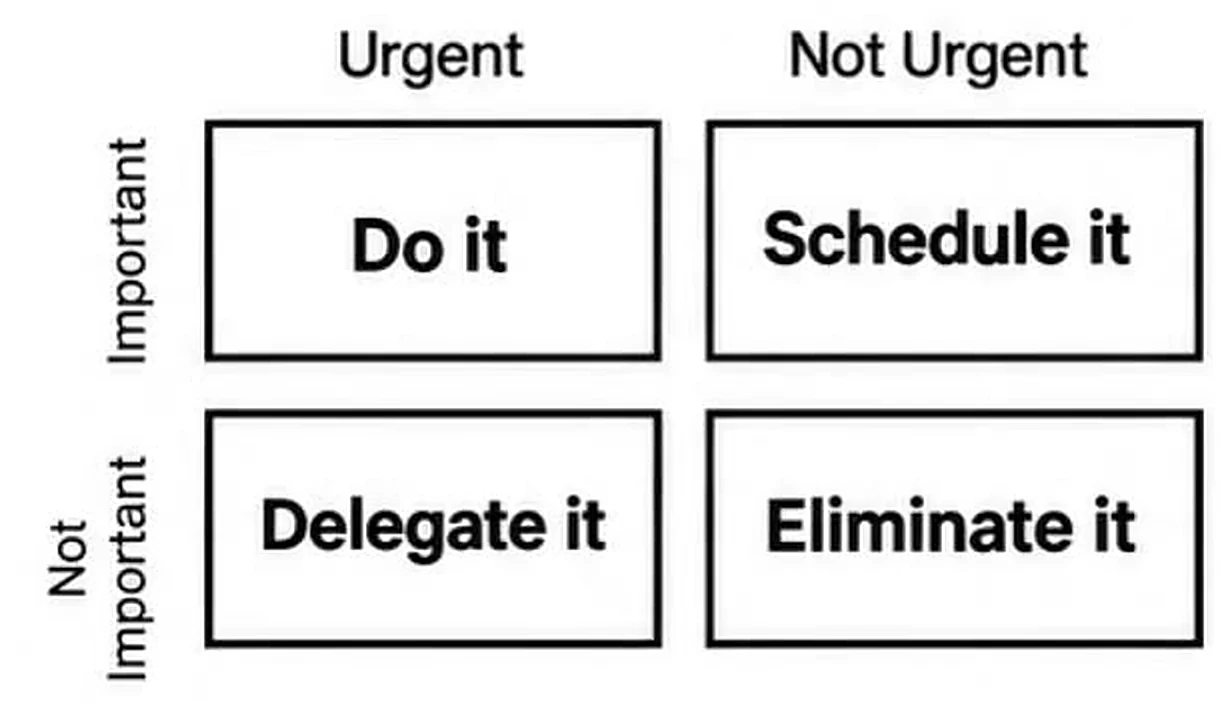
How important, how urgent
Does it matter, and is it on fire?Your two answers send the task to a quadrant that tells you what to do with it.
Selected task
The tasks are examples we adapted, not from the graphic.
Eat the Frog
The hardest task goes first
Do your hardest task first.The rest will be easier.
“If it’s your job to eat a frog, it’s best to do it first thing in the morning.And if it’s your job to eat two frogs, it’s best to eat the biggest one first.”

Today’s tasks
An illustration, not a measurement: the tasks and the weight on your mind are a model.
Seinfeld Strategy
Don’t break the chain
Every day you do it adds a link.The streak is your reason to keep going.
- Set your goal.
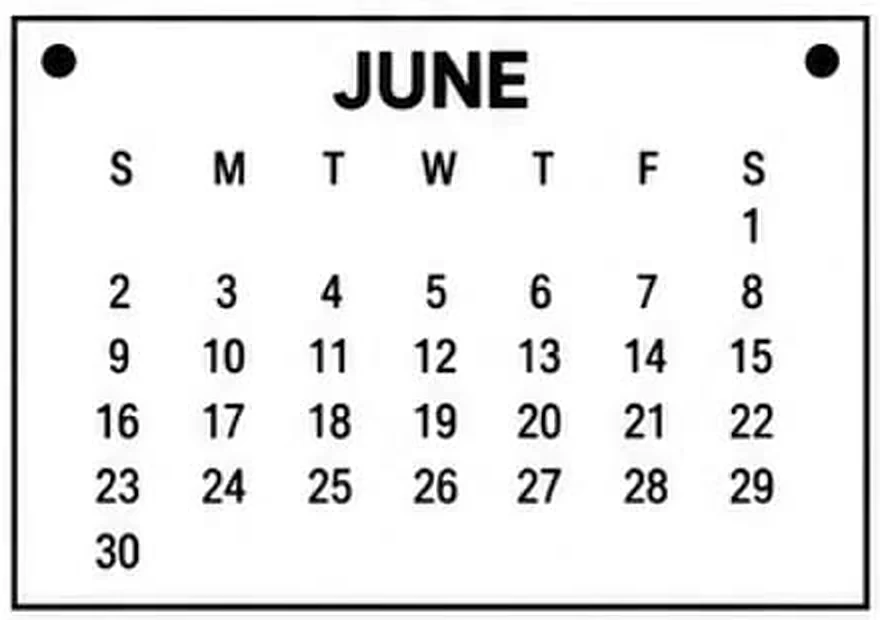
- Mark a calendar each day you do it.
- Keep the streak as long as you can.
- Never miss 2 days in a row.
Daily goal
Press a day to mark it or clear it.Try June 9: with June 8 missed, the chain breaks.
June
The marked days are an example.Weeks start on Monday here, Sunday in the graphic.
Time Blocking
Every task gets its own time
You give your day blocks instead of a list.When the day slips, move a block and keep going.
- Identify what needs doing.
- Group similar activities together.
- Assign time slots for tasks.
- Plot blocks on a calendar.
- Stick to the schedule.
- Take breaks between blocks.
- Make changes if needed.
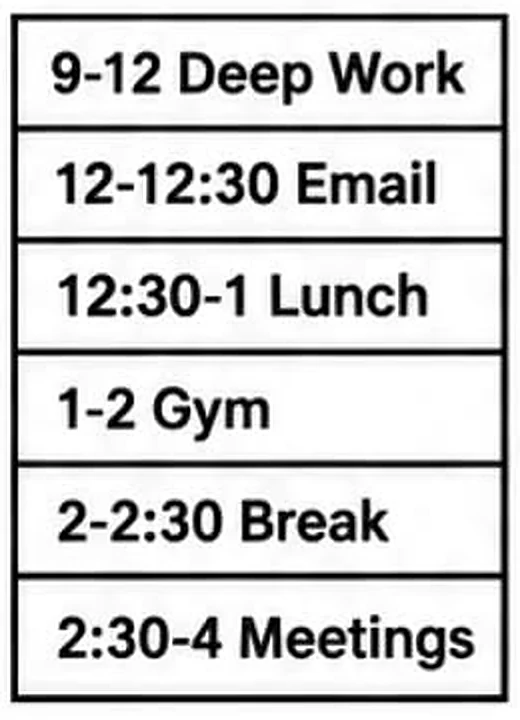
The day