
Principle 4 of 6 · tulkit.co
Your ideas, put to work
Storing information is not enough.The purpose of building a second brain is to make it useful and accessible to improve the quality of your work and life.
What you do in the three scenes
- The loopFollow one idea from note to result: capture, organize, distill, express4 steps
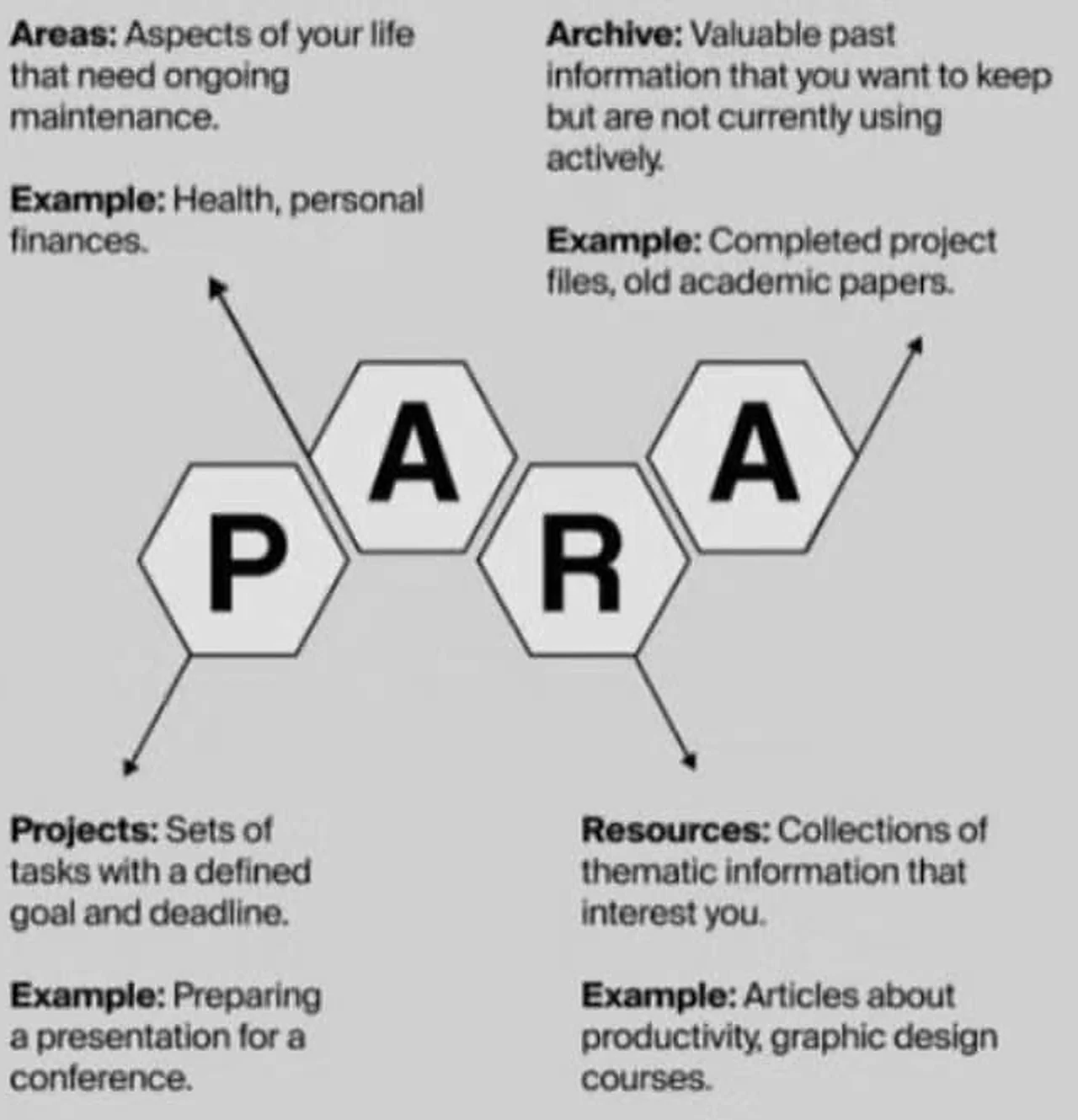
- P.A.R.A.Sort eight examples into four buckets: where each thing goes8 examples
- The toolsPick a tool and see what it serves: the system matters more than the tool3 kinds
The graphic asks “What Is The P.A.R.A. Method?” and answers with the purpose of a second brain.The P.A.R.A. definitions sit in another panel of the graphic; you find them here in scene 2.
Basic Principles
Capture, organize, distill, express
An idea does not stay a raw note.It goes through four steps and changes shape along the way.Press a step to see what happens.
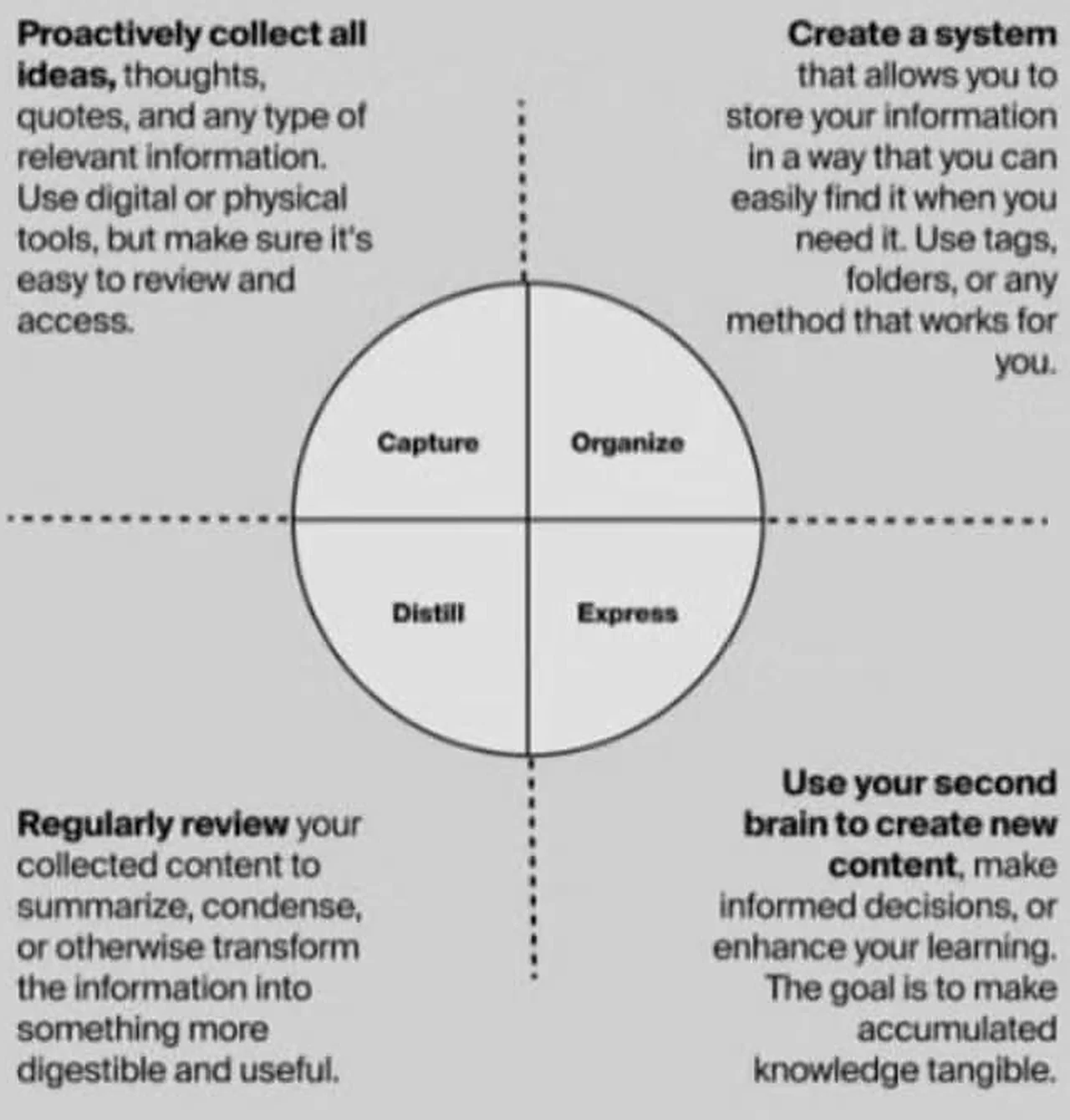
Illustrative example we picked: Parkinson’s law, from principle 1.
P.A.R.A. Method
Where each thing goes
Press an item and see where it lands.
Press an item
0 of 8 sorted
How to decide
rule of thumb, not from the graphic- 1Still active?→ Archive
- 2A goal and a deadline?→ Projects
- 3Ongoing maintenance?→ Areas
- 4If not: a topic of interest→ Resources
Sets of tasks with a defined goal and deadline.
Aspects of your life that need ongoing maintenance.
Collections of thematic information that interest you.
Valuable past information you keep but are not using now.
* Example added by us; the rest come from the graphic.Some definitions are shortened.
Recommended Tools
The system matters more than the tool
The graphic recommends three kinds of tools.Pick one and see which part of the system it serves.
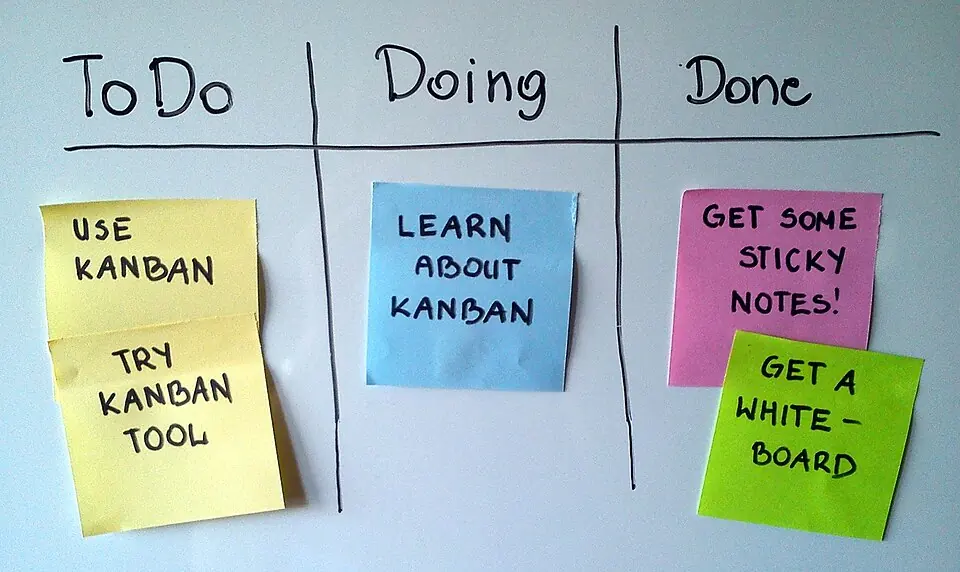
Pick a kind of tool
The loop
P.A.R.A.
Three practical tips
- Dedicate time each week to review and organize your second brain.
- Be flexible with your system; allow it to evolve as your needs and discoveries change.
- Don’t just store information; reflect on it and find ways to apply it in your life and work.